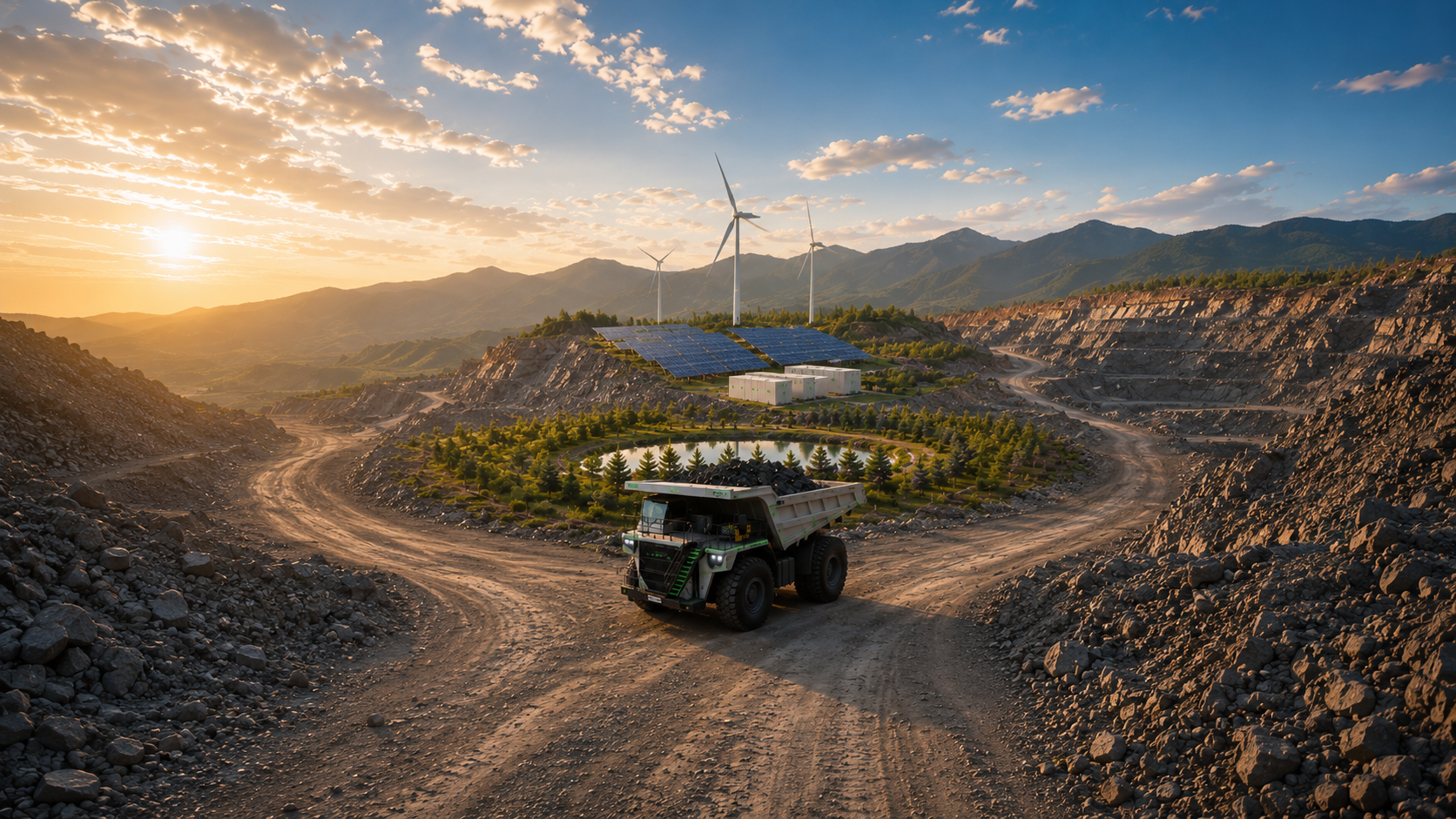
Learn Green Mining for a Cleaner Future
A simple visual guide for students to understand how mining can become cleaner, safer, and more responsible through renewable energy, smart technology, water recycling, and land restoration.
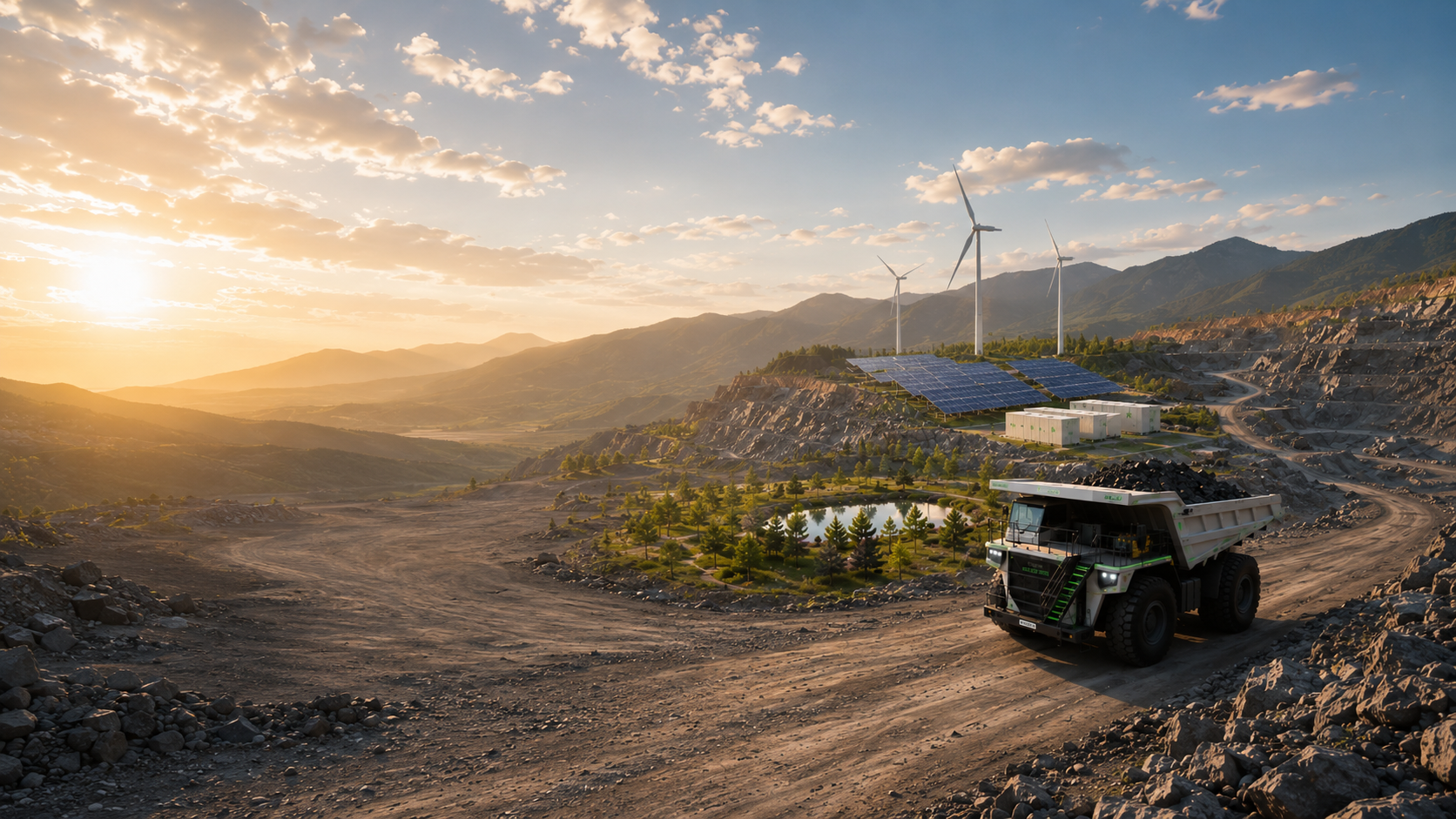
Mining Smarter. Restoring Better.
Green mining brings clean energy, smart technology, water recycling, and land restoration together to reduce the environmental impact of mineral extraction.
What is Green Mining?
Green mining means extracting minerals in a cleaner and more responsible way by reducing pollution, saving water, using cleaner energy, managing waste safely, and restoring land after mining.
Less Pollution
Reducing dust, smoke, and harmful emissions from mining operations
Water Recycling
Reusing water during mineral processing instead of wasting freshwater
Clean Energy
Using solar, wind, batteries, and efficient power systems.
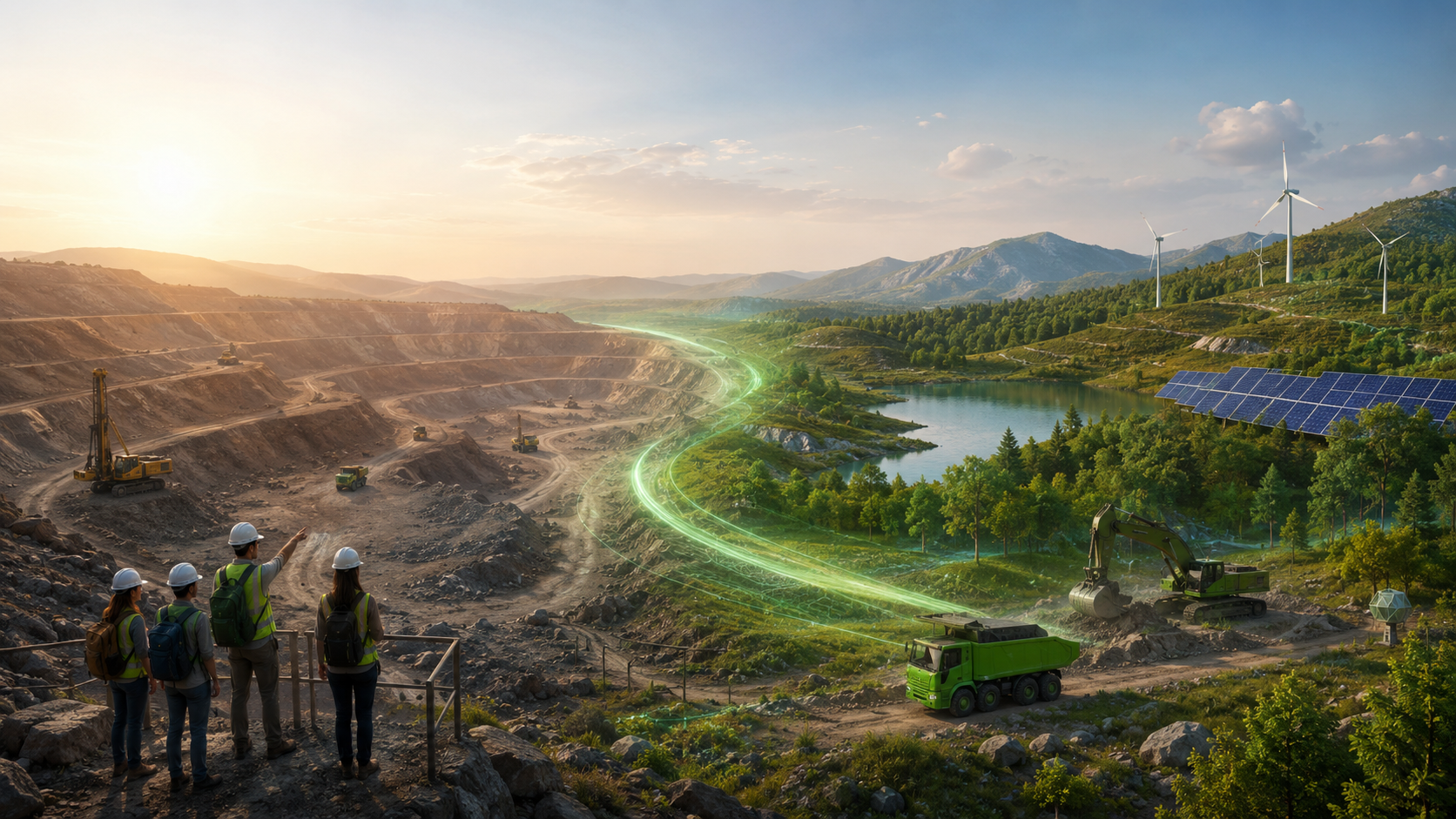
Why Mining Needs to Improve
Mining is essential for modern life, but traditional methods create environmental challenges, highlighting the need for cleaner and more responsible solutions like green mining.
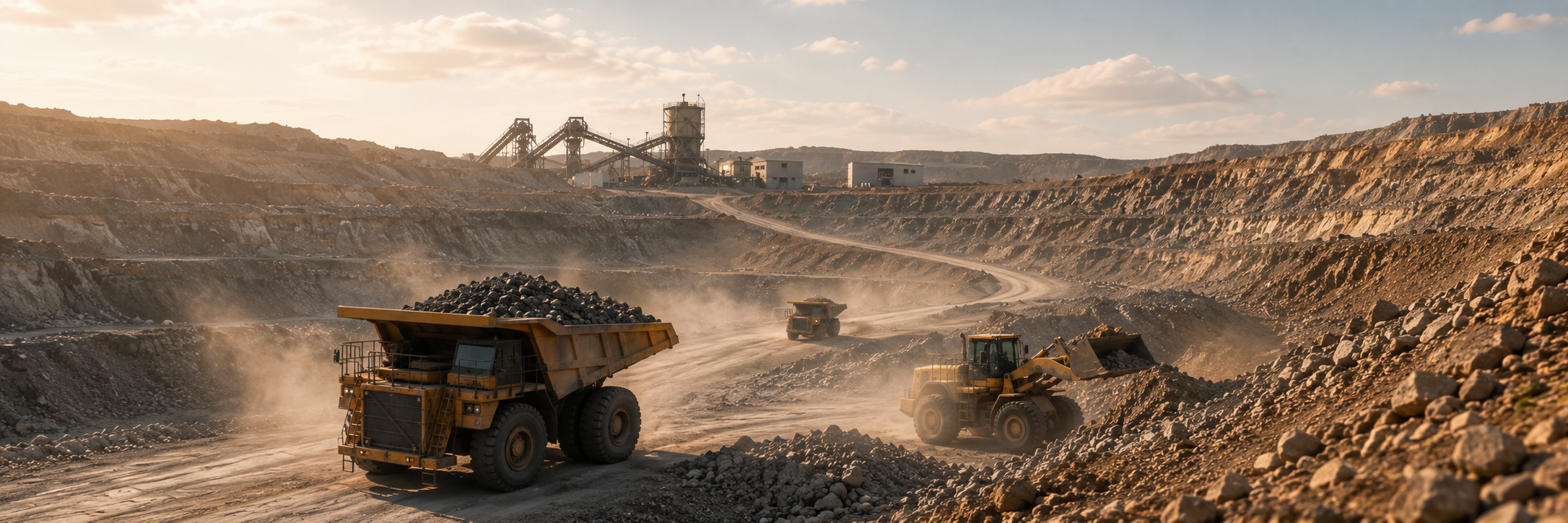
How Green Mining Solves These Challenges
Green mining uses clean energy, smart technology, recycling, and land restoration to reduce environmental impact and improve sustainability.
1. Clean Energy Mining
Modern mining is shifting to renewable energy like solar, wind, and battery systems. Using electric, energy-efficient equipment reduces carbon emissions and fossil fuel use, boosting sustainability.
2. Water Recycling Systems
Advanced water management in green mining enables continuous recycling and reuse during extraction and processing. This lowers fresh water demand, reduces waste, and promotes efficient, responsible water use in mining.
3. Clean Air Technology
Modern mining uses dust suppression, electric machinery, and emission controls to reduce air pollution effectively and efficiently in modern mining operations.
4. Safe Waste Management
Green mining applies engineered containment systems and advanced monitoring techniques to safely store and manage mining waste, preventing soil and water contamination.
5. Land Restoration
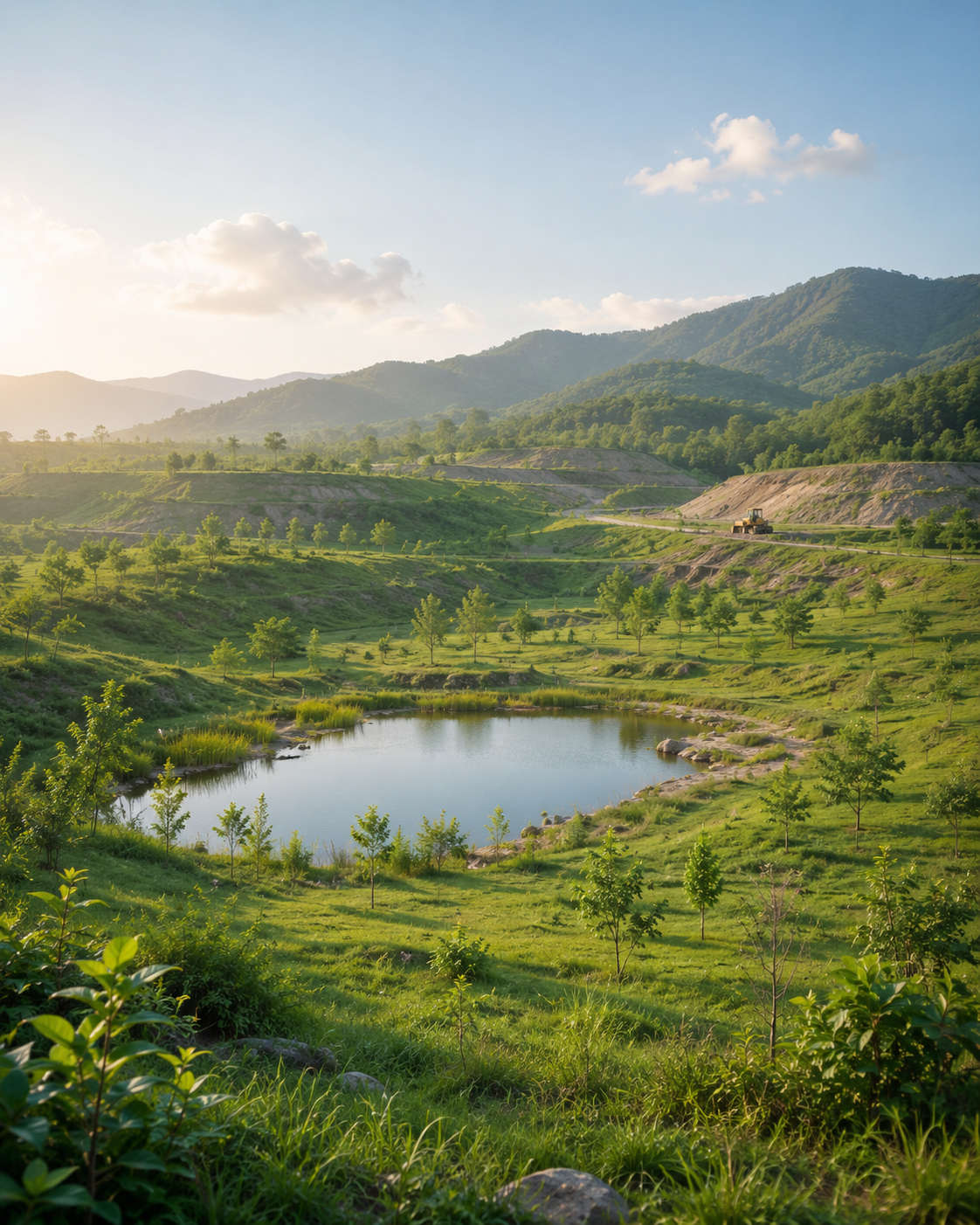
After mining activities are completed, land restoration processes are applied to reshape the terrain, stabilize soil, and reintroduce vegetation. Trees and native plants are replanted to rebuild ecosystems, helping the land gradually return to a natural and balanced environmental state over time.
Minerals Beneath Our Land
Explore important minerals, their real-world uses, and how responsible mining helps protect people and the environment.
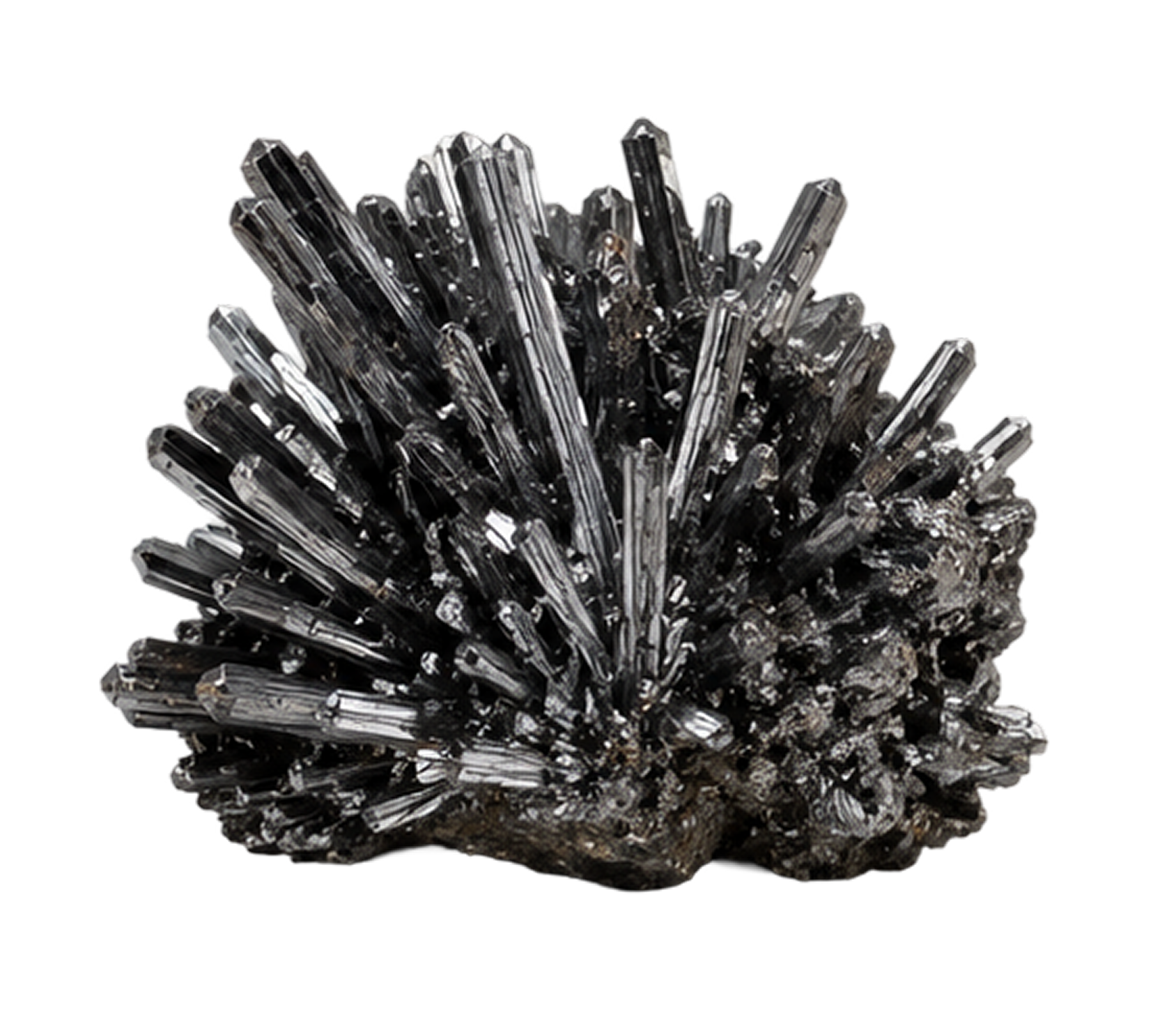
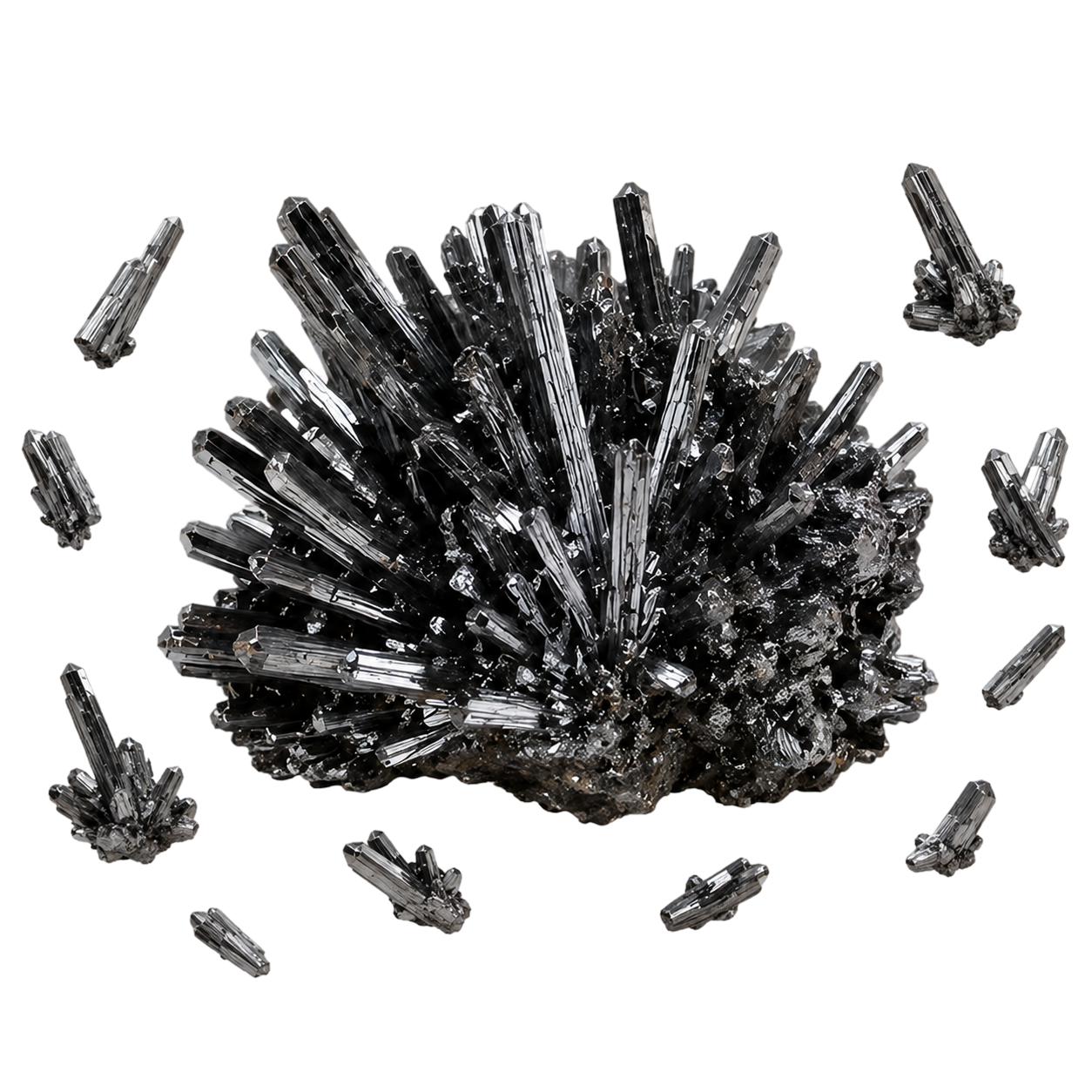
Antimony
Used in flame retardants, batteries, alloys, and industrial materials.
The Future of Green Mining
A future where smart technology, renewable energy, and environmental restoration work together to create a cleaner, safer, and more sustainable mining industry.
1. Smart Mining Automation
AI, drones, and smart sensors will make mining safer, faster, and more precise while reducing human risk and environmental impact.
2. Clean Energy Transition
Mining operations will fully shift to solar, wind, and electric-powered systems, eliminating heavy reliance on fossil fuels.
3. Ecosystem Restoration Future
Mined lands will be fully restored into forests, farms, and natural ecosystems, bringing nature back after resource extraction.
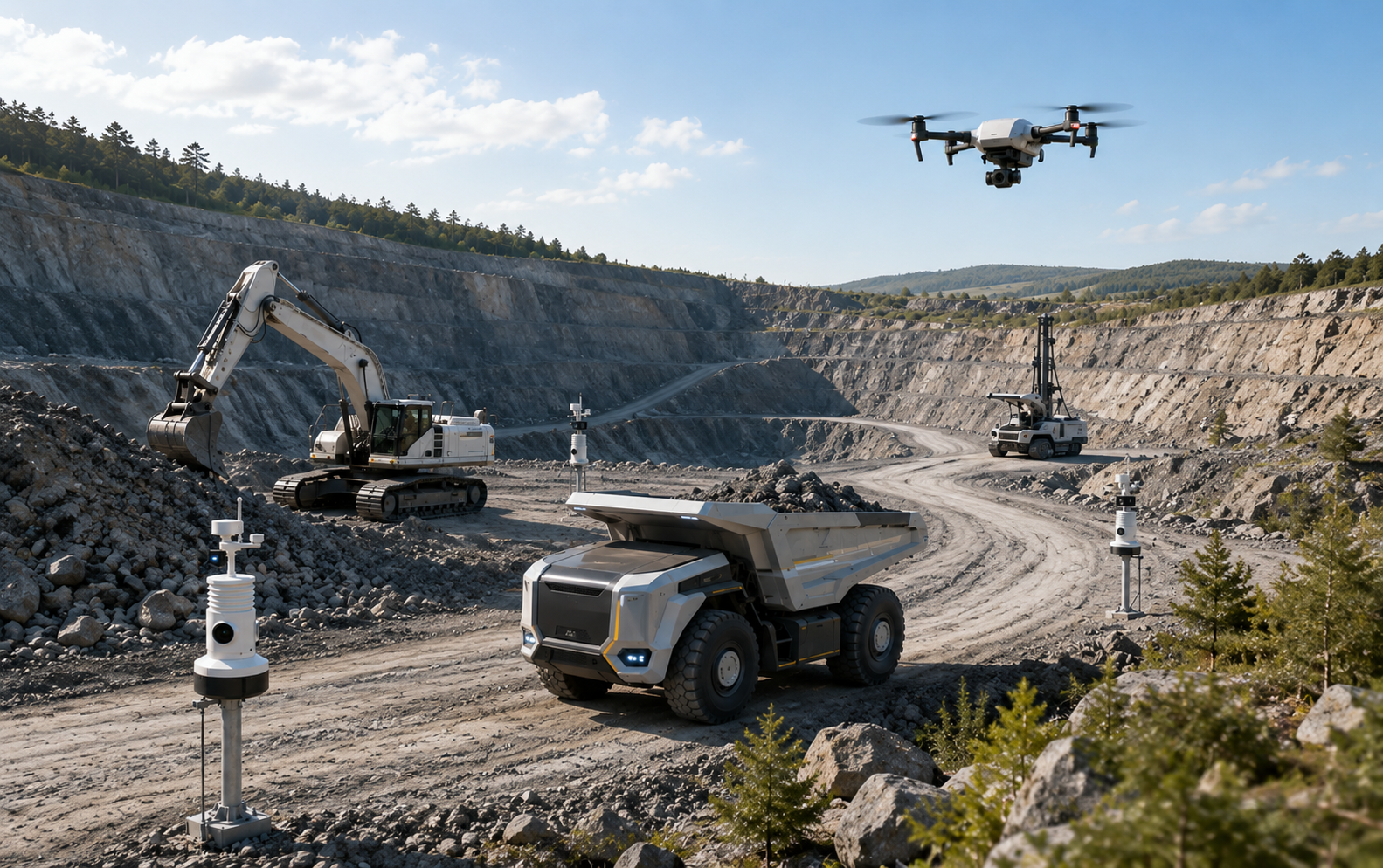
The Future of Green Mining
A future where smart technology, renewable energy, and environmental restoration work together to create a cleaner, safer, and more sustainable mining industry.
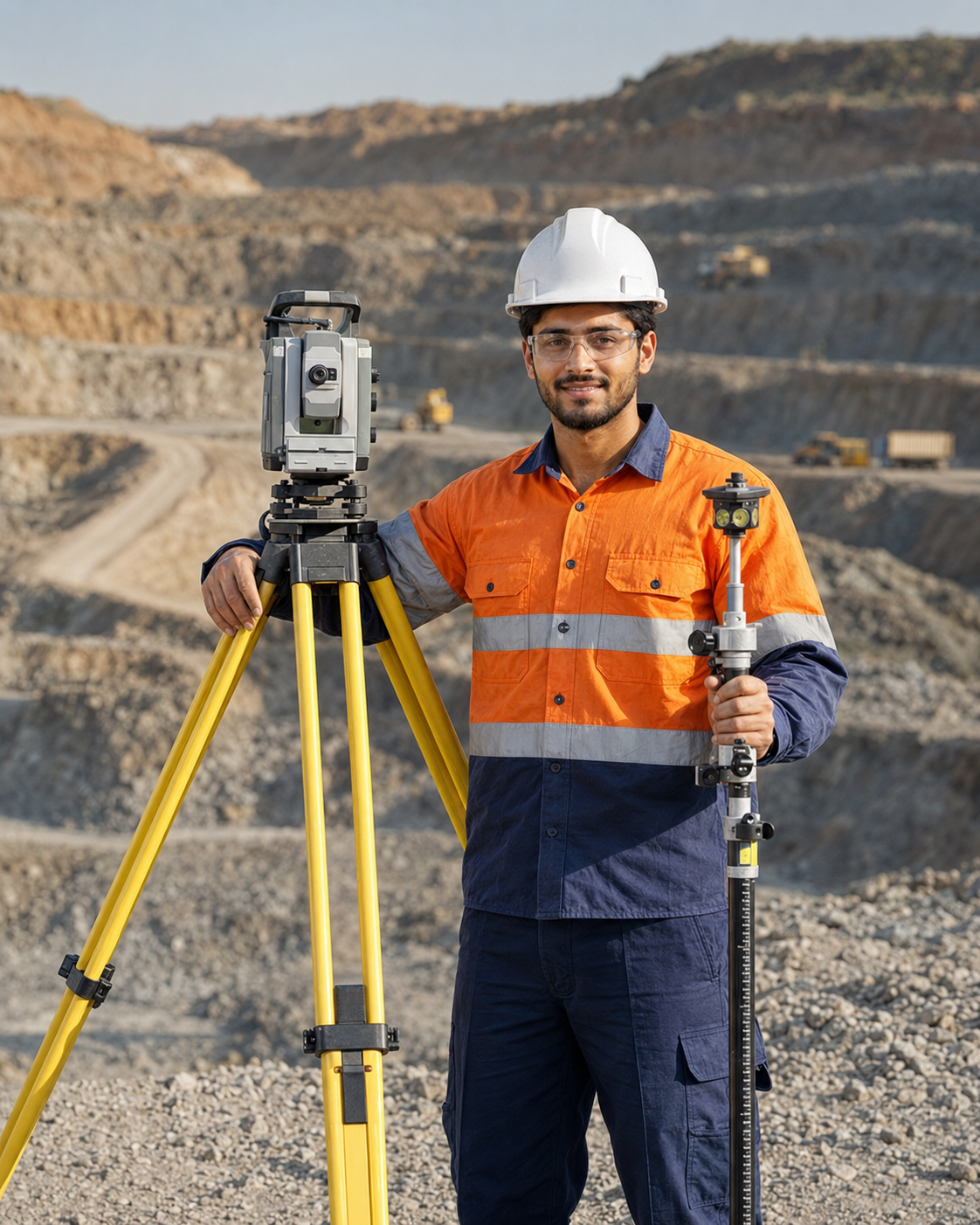
Mine Surveyor
Mine surveyors measure land, map mining sites, and collect accurate field data to help mining teams work safely and precisely.
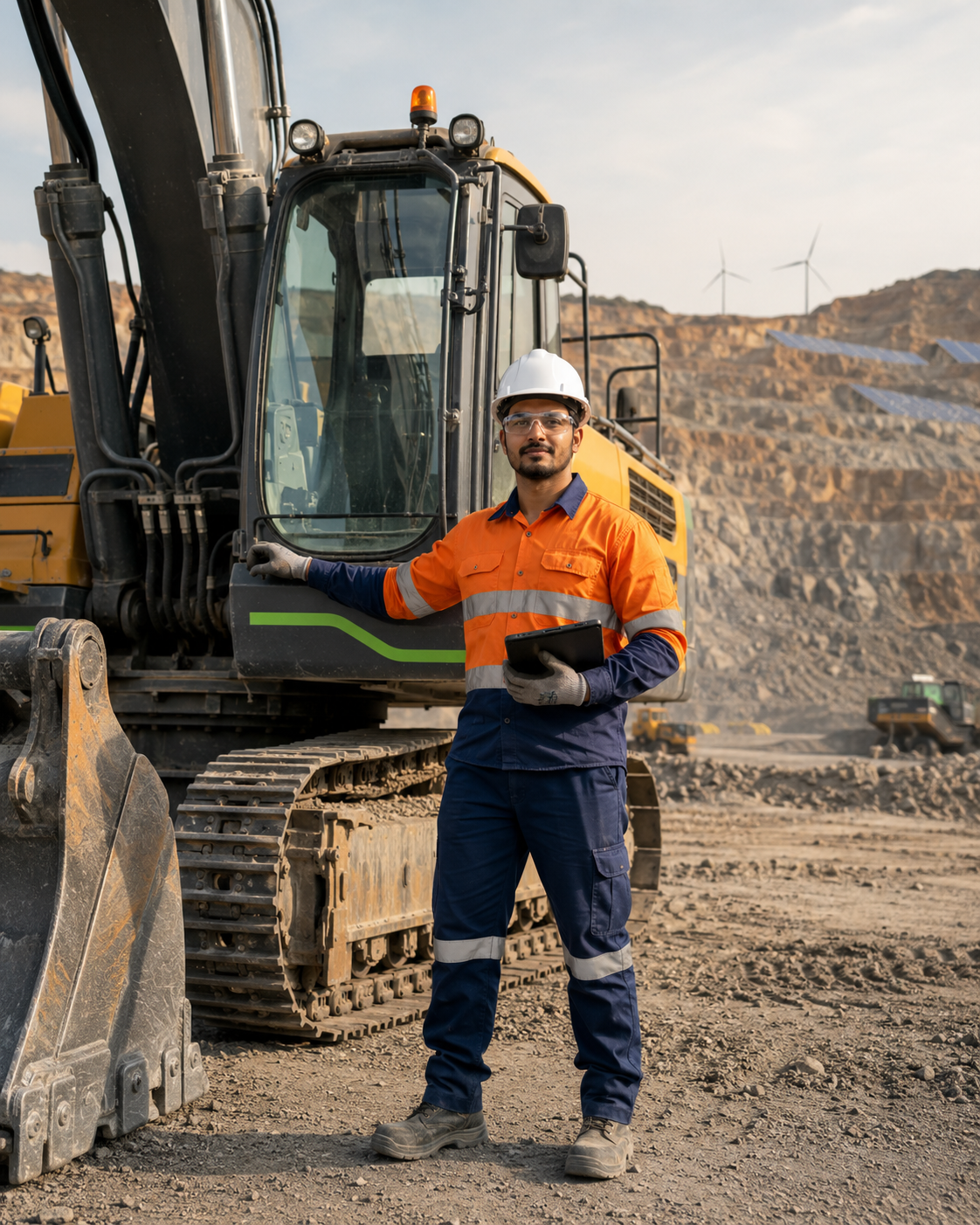
Equipment Operator
Equipment operators handle modern mining machines such as excavators, loaders, and haul trucks while following safety and site rules.
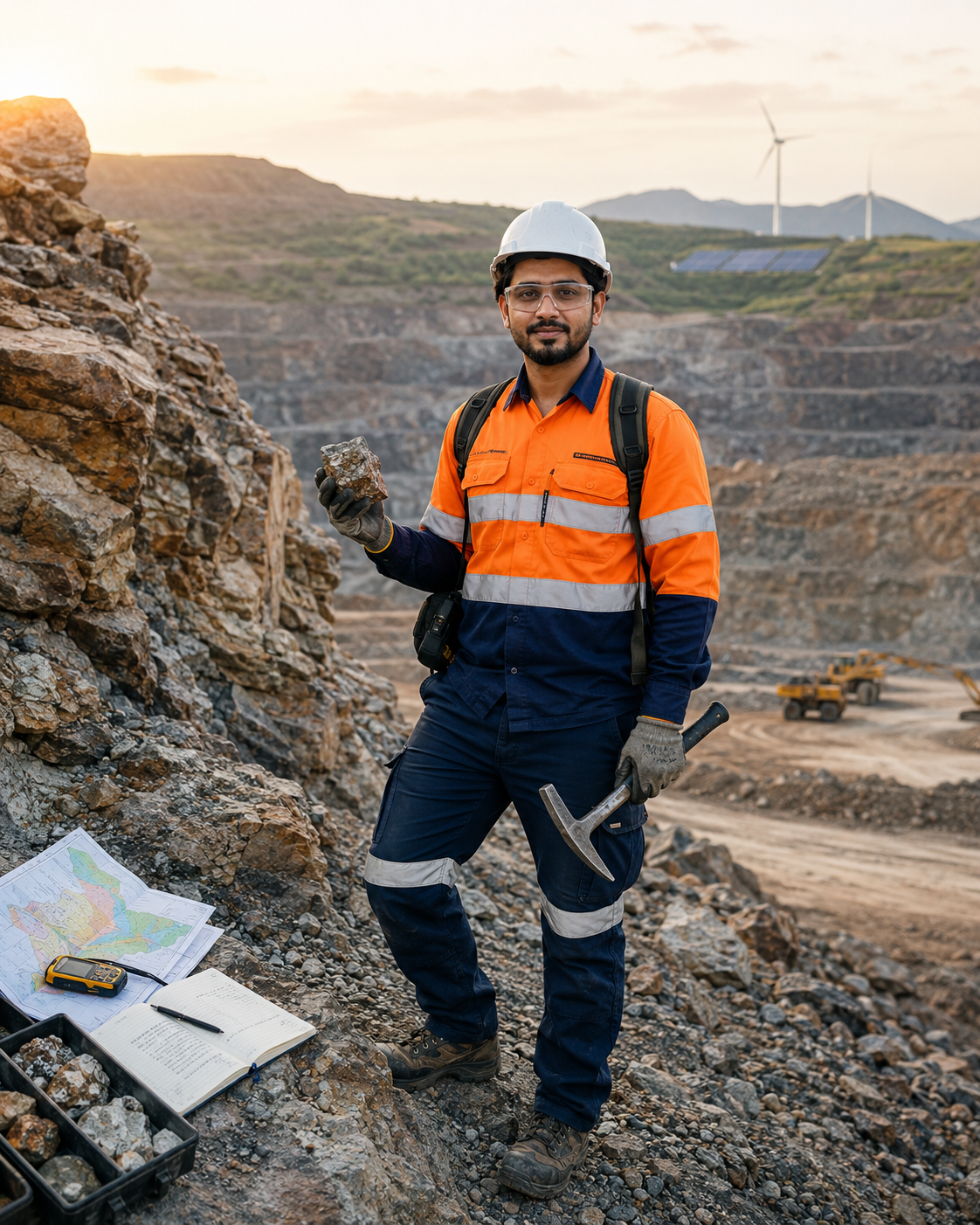
Geologist
Geologists study rocks, minerals, and land formations to identify valuable resources and support responsible mining decisions.
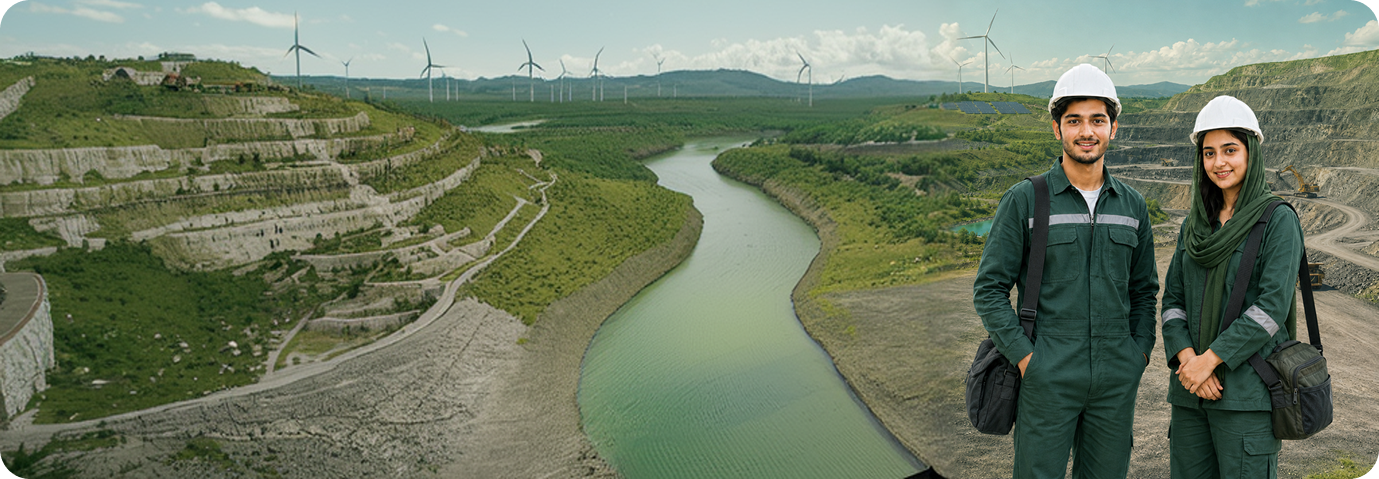
Start Your Green Mining
Journey Today
Learn practical skills in minerals, safety, technology, and responsible mining for a cleaner future.
Enroll Now